Discover Hedaga: The Romantic Script for Modern Creators
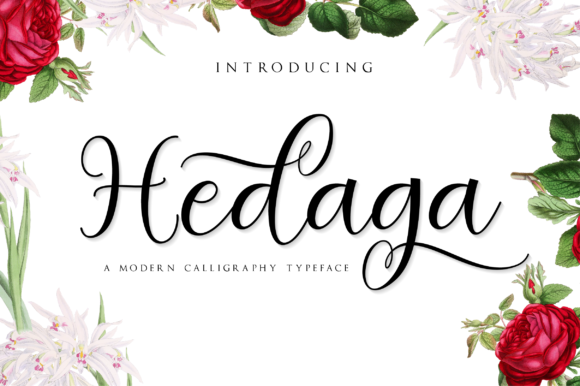
There's a certain magic that happens when you find a typeface that doesn't just carry words, but also carries a feeling. Hedaga is that kind of font. It’s a premium script with a distinctly romantic and playful personality, designed to feel less like a digital file and more like a piece of handcrafted art. The moment you see it, you notice the fluid, connected letterforms and the elegant, dance-like rhythm across the line. It’s a creative font that brings warmth, authenticity, and a touch of sophistication to any project it touches.
The Visual Heart of Hedaga
What sets Hedaga apart in a crowded field of script fonts is its balance. It avoids the extremes of being overly formal or too casual. Instead, it sits in a beautiful middle ground—approachable yet elegant. The strokes have a natural, flowing quality that suggests a calligrapher's steady hand, with gentle variations in thickness that add depth and movement. This isn't a stiff, mechanical script; it has a living, breathing quality. The connections between letters are thoughtfully crafted to maintain legibility while preserving that essential handwritten charm. It feels personal, as if each word was penned just for you.
This personality makes it incredibly versatile. Whether you're designing a logo for a boutique bakery, crafting wedding invitations, or creating social media graphics for a lifestyle brand, Hedaga adapts. It doesn't shout for attention with flashy swashes (though it often includes stylistic alternates for those who want them). Instead, it draws you in with its consistent, heartfelt elegance. It’s the kind of typeface that can elevate a simple message into something memorable.
Where Hedaga Truly Shines: Real-World Applications
Understanding a font's strengths is key to using it effectively. Hedaga isn't a workhorse body copy font like a classic serif or sans serif; it's a display font meant for headlines, logos, and accent text. Here’s where it excels:
- Logo Design & Brand Identity: For brands that want to convey approachability, creativity, and a personal touch, Hedaga is a powerful asset. It works beautifully for businesses in the wedding industry, artisanal goods, beauty, wellness, and boutique retail. Paired with a clean sans serif for supporting text, it creates a balanced and professional brand identity system.
- Editorial & Packaging Design: Think book covers, magazine headlines, or product packaging for gourmet foods or cosmetics. Hedaga adds an instant layer of premium, handcrafted appeal. It can make a product feel more luxurious or a publication feel more intimate and engaging.
- Digital & Social Media: In the fast-paced world of web design and social media graphics, standing out is crucial. Hedaga is perfect for Instagram quotes, Pinterest pins, website hero sections, and email newsletter headers. It grabs attention and conveys emotion quickly, which is essential for digital engagement.
- Personal & Commercial Projects: From crafting personalized stationery and event invitations to creating merchandise like mugs, tote bags, or apparel, this font adds a unique, artistic flair. Its commercial licensing typically covers a wide range of uses, making it a valuable design asset for small business owners and creators.
Practical Guidance for Using Hedaga Effectively
Choosing the right font is only half the battle. Using it well is what separates good design from great design. Here’s some practical advice for working with a font like Hedaga.
Evaluate the Project Fit: Before you even open your design software, ask yourself: Does this project call for a romantic, personal, or artisanal feel? If you're designing a law firm's website or a technical manual, Hedaga is likely the wrong choice. But if the goal is to evoke warmth, creativity, or nostalgia, it's a strong candidate. Always consider your audience and the message you need to communicate.
Master the Font Pairing: The true power of a display script like Hedaga is unlocked through smart pairing. It needs a stable partner to ground it. A simple, geometric sans serif font (like Montserrat, Lato, or Poppins) is often a perfect match. The contrast between the flowing script and the clean, modern sans serif creates visual hierarchy and ensures readability. Use Hedaga for your main headline or logo, and the sans serif for subheadings and body copy. Avoid pairing it with another ornate or overly decorative typeface, as they will compete for attention.
Consider Readability First: While Hedaga is designed for clarity, all script fonts have readability limits. Use it for short bursts of text—a name, a tagline, a single word. Avoid setting long sentences or paragraphs in it, especially at small sizes. On the web, ensure there is sufficient contrast between the text color and the background. Test your designs on different devices and screen sizes to ensure the elegant curves don't become muddy blobs on a mobile phone.
Explore the Font's Full Potential: A quality premium font often comes with more than just the basic alphabet. Look for OpenType features. Hedaga may include stylistic alternates (different versions of certain letters), ligatures (special connected characters), and swashes. These are not just decorative extras; they are tools. Using an alternate 'g' or a swashed 'y' can solve spacing issues and add a custom, polished look to your final design. Take the time to explore what's included in the font file.
Understand the Licensing: This is a critical, often overlooked step. If you're using Hedaga for a client project or selling products featuring the font, you must have the correct commercial license. Read the license agreement carefully. Most licenses specify allowed uses (print, digital, merchandise) and the number of users or installations. Respecting licensing protects you legally and supports the designers who create these valuable assets.
In the end, Hedaga is more than just a collection of letters. It’s a tool for storytelling. It allows designers, entrepreneurs, and creators to infuse their work with a sense of authenticity and elegance that resonates on a human level. By understanding its personality and applying it thoughtfully, you can transform ordinary projects into extraordinary experiences for your audience. It’s a beautiful reminder that in the world of design, the right typeface doesn’t just display information—it creates a feeling.