Feeling Lovely: A Font That Radiates Charm and Authenticity
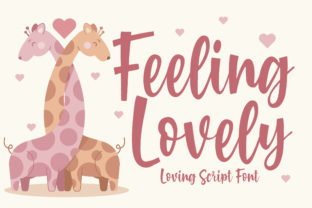
There’s a particular kind of design asset that does more than just display words. It sets a mood, tells a story, and connects with an audience on an emotional level before they’ve even read the first sentence. Feeling Lovely is that kind of font. This romantic and fancy script font isn’t just another script typeface; it’s a tool designed to ignite creativity and infuse projects with a genuine, heartfelt charm. Its flowing, connected letterforms and elegant swashes create an immediate sense of warmth and personality, making it a standout choice for anyone looking to add a touch of human authenticity to their work.
Understanding the Personality of This Creative Font
At its core, Feeling Lovely is a premium font that balances sophistication with approachability. Its visual characteristics are defined by smooth, flowing strokes that mimic the natural movement of a brush or pen. The letterforms have a consistent, rhythmic baseline, but with enough subtle variation to avoid looking rigid or overly mechanical. This gives the typeface a distinctly handwritten quality, yet it maintains a high level of polish suitable for professional applications. The overall appeal is romantic, feminine, and fanciful, but without veering into territory that feels childish or overly saccharine. It’s a script font with confidence.
The personality of Feeling Lovely makes it an excellent choice for projects aiming to convey intimacy, celebration, or artisanal care. Think of it as the typographic equivalent of a handwritten love note or a beautifully crafted invitation. It speaks directly to an audience that values authenticity and personal connection, making it particularly effective for brands and creators in the lifestyle, wedding, beauty, and boutique spaces.
Where Feeling Lovely Truly Shines: Practical Applications
The real-world value of a creative font lies in its application. Feeling Lovely excels as a display font, meaning it’s designed to be used at larger sizes for headlines, logos, and prominent call-outs. Using it for long paragraphs of body copy would compromise readability, but in the right context, it becomes a powerful design asset.
- Logo Design and Brand Identity: This is where the font can be transformative. For a boutique bakery, a wedding photographer, a handmade jewelry brand, or a high-end florist, Feeling Lovely can form the cornerstone of a brand identity that feels personal and luxurious. It pairs beautifully with a clean, simple sans serif font or a classic serif font for body text, creating a visually striking hierarchy.
- Editorial and Packaging Design: In editorial design, use it for pull quotes, chapter titles, or section headings in magazines, lookbooks, or recipe books. For packaging design, it can elevate product labels, gift tags, and box inserts, suggesting a product that was made with care and attention to detail.
- Digital and Social Media: The font’s charm translates perfectly to digital platforms. It’s ideal for creating eye-catching social media graphics, Instagram story headlines, YouTube thumbnails, or website hero sections. When used in web design, it’s best reserved for short, impactful headings or logo treatments where its character can be fully appreciated without hindering the user experience.
- Personal and Commercial Projects: From crafting heartfelt greeting cards and scrapbook pages to designing professional marketing materials for a small business, Feeling Lovely offers versatility. It can help a content creator’s Pinterest pins stand out or give a blogger’s featured images a distinctive, polished look.
Making the Most of Your Font: Pairing and Readability
Integrating a distinctive script like Feeling Lovely into your design workflow requires a thoughtful approach to font pairing and readability. The goal is to let its personality shine without creating visual chaos.
A fundamental principle of modern typography is contrast. Pair Feeling Lovely with a typeface that has a very different structure. A geometric sans serif font like Montserrat or Lato provides a clean, contemporary counterpoint. Alternatively, a sturdy, readable serif font like Georgia or Libre Baskerville can create a more traditional, elegant combination. Avoid pairing it with other ornate or similarly styled script fonts, as this will compete for attention and weaken the visual hierarchy.
When evaluating project fit, always consider your audience and medium. Is the final product a large-scale banner where the flourishes will be visible, or a small mobile screen where clarity is paramount? Test the font at the intended size. Check the spacing between letters and words. Ensure that any ligatures or swashes don’t cause letters to merge in an unreadable way. This practical testing is crucial for maintaining professionalism and ensuring your message is communicated effectively.
Choosing and Using Your Commercial Font
When you select a premium font like Feeling Lovely, you’re investing in a design asset with specific capabilities. Before purchasing, review the included font files and styles. Does it come with multiple weights or styles? Are there OpenType features like alternate characters, stylistic sets, or additional swashes that offer more creative control? Understanding these options allows you to get the most out of the typeface.
Equally important is understanding the commercial font licensing. Most licenses are clear: you can use the font for personal projects and for work you create for clients. However, you typically cannot redistribute the font files themselves. Always read the End User License Agreement (EULA) to ensure your usage complies with the terms, especially if you’re using it for a large-scale commercial product or service. This protects both you and the font designer.
Ultimately, Feeling Lovely