Chrysant: A Magical Script Font for Elegant Projects
When you need a typeface that communicates more than just words—one that conveys a feeling, a story, or a specific aesthetic—the choice of font becomes your most critical design asset. The Chrysant font is a magical script font, carefully crafted to bridge the gap between digital precision and the organic flow of hand-lettering. It isn’t just another premium font; it is a versatile tool designed to inject a sophisticated, artisanal quality into a wide array of creative work. For designers, entrepreneurs, and creators, understanding how to leverage a script font like Chrysant can be the difference between a project that feels generic and one that resonates with genuine elegance.
Understanding the Visual Character of Chrysant
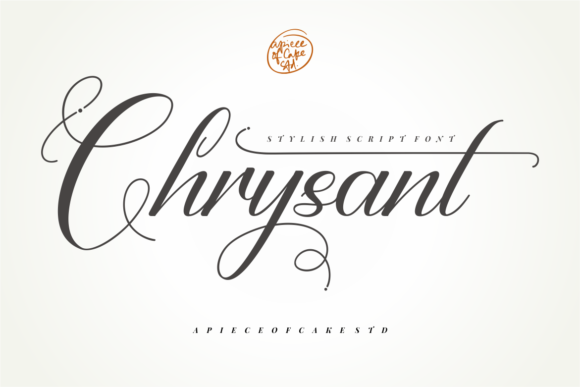
At its core, Chrysant is a modern typography solution that leans heavily into the calligraphy scripts tradition while maintaining a clean, contemporary edge. Visually, it avoids the excessive loops and swashes that can sometimes render script fonts illegible. Instead, Chrysant focuses on balanced letterforms with a natural, flowing baseline. The "magic" in its description refers to the subtle variation in stroke width and the seamless connections between letters, mimicking the rhythm of a skilled hand using a pointed pen. This creates a handwritten font aesthetic that feels authentic rather than manufactured.
The personality of Chrysant is undeniably romantic and refined, yet it retains a certain approachability. It does not feel stiff or overly formal like a traditional copperplate script. Instead, it offers a softer, more organic vibe. This makes it an exceptional creative font for projects that need to feel personal and intimate. Whether used for a wedding invitation or a high-end product label, the visual texture of Chrysant adds depth and warmth, distinguishing it from the cold neutrality of standard sans serif fonts.
Strategic Applications: Where Chrysant Shines
The true value of a typeface lies in its application. Chrysant is a display font by nature, meaning it is designed to be used at larger sizes where its details can be appreciated. It is rarely suitable for long blocks of body copy, but it excels in headlines, sub-headlines, and accent text. Its utility spans across several key areas of brand identity and marketing.
Branding and Logo Design
For small business owners and entrepreneurs, logo design is often the first interaction a customer has with a brand. Chrysant is an excellent choice for brands in the lifestyle, beauty, fashion, or artisanal food sectors. It instantly signals that a brand values quality and craftsmanship. However, relying solely on a script font for a logo can be risky. The best practice is to pair Chrysant with a sturdy serif font or a clean sans serif font. This font pairing strategy ensures that the brand name (set in Chrysant) has flair, while the supporting text remains highly legible and grounded.
Digital Presence and Social Media
In the crowded space of digital marketing, capturing attention is paramount. Social media graphics benefit immensely from the distinct personality of Chrysant. It is particularly effective for Instagram stories, quote cards, and promotional banners where you want to evoke an emotional response quickly. Because it is a premium font, it helps content creators avoid the "generic" look associated with overused system fonts. When used in web design, Chrysant is best reserved for hero section headers or specific call-to-action phrases, ensuring the site remains accessible while maintaining a unique visual voice.
Publishing and Editorial Design
For publishers and bloggers, Chrysant works beautifully in editorial design. Think of magazine headers, pull quotes, or chapter titles in a book. It adds a layer of sophistication to publishing layouts that standard fonts cannot achieve. It breaks up the monotony of text-heavy pages, guiding the reader's eye to key sections and creating a visual hierarchy that makes the content feel more digestible and curated.
Packaging and Physical Products
When it comes to packaging design, the tactile nature of the product must match the visual nature of the label. Chrysant is a powerhouse for packaging, especially for products like candles, cosmetics, boutique chocolates, or stationery. The font’s elegance suggests that the contents are premium. It works exceptionally well on physical media where the texture of the paper or label can complement the organic feel of the script font.
The Influence on Brand Perception and Hierarchy
Typography is psychological. The fonts you choose influence how your audience perceives your message before they even read the words. Using Chrysant can significantly impact brand perception. It suggests creativity, attention to detail, and a human touch. In an era of automation, a handwritten font like Chrysant can make a brand feel more accessible and genuine, fostering a stronger connection with the audience.
Furthermore, Chrysant is a valuable tool for establishing visual hierarchy. In a complex design, you need to tell the viewer what is most important. By using Chrysant for your primary headline and a contrasting serif font or sans serif font for the body, you create an immediate distinction between the "shout" and the "whisper." This improves readability overall, as users can quickly scan the layout to find the information most relevant to them. It ensures consistency across different platforms; a brand that uses Chrysant consistently on its website, social media, and print materials builds a cohesive identity that aids in recognition.
Practical Guidance for Implementation
Adopting a new font into your workflow requires practical consideration. Here is how to effectively evaluate and implement Chrysant into your next project.
- Evaluate the Project Fit: Before selecting Chrysant, consider the tone of your project. Is it serious and corporate? If so, a script font might undermine the authority you need to project. However, if the goal is to be inviting, creative, or luxurious, Chrysant is a strong candidate.
- Review Font Pairings: Never use a display script in isolation. Test Chrysant against various neutral typefaces. A classic combination might be Chrysant for the header paired with a geometric sans serif for the body. This contrast creates a dynamic tension that is pleasing to the eye.
- Check Readability at Size: Because Chrysant is a creative font, you must test it at the size it will be displayed. A script font that looks beautiful at 50px might become illegible at 14px. Ensure your primary message is always clear.
- Understand Licensing: Since Chrysant is a commercial font, ensure you have the correct license for your usage. Whether you are using it for DIY projects or large-scale commercial advertising, adhering to the licensing agreement protects you legally and supports the type designers who created the work.
Ultimately, Chrysant is more than just a collection of glyphs; it is a design asset