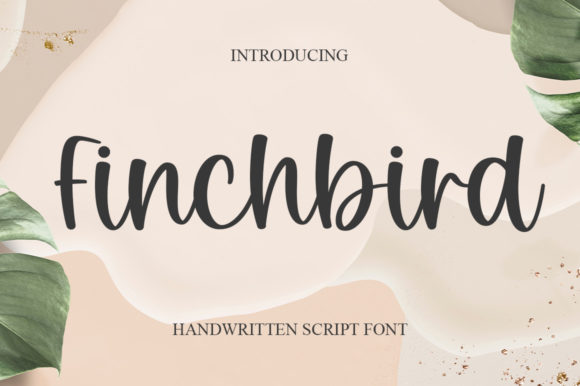
Finchbird: The Elegant Script Font for Refined Projects
Understanding the Delicate Sophistication of Finchbird
When you first encounter Finchbird, you'll notice something immediately different about this typeface. It's not just another script font trying to grab attention with exaggerated flourishes or heavy-handed styling. Instead, Finchbird takes a more refined approach—it's the kind of font that whispers rather than shouts, yet somehow manages to be heard clearly across a crowded room.
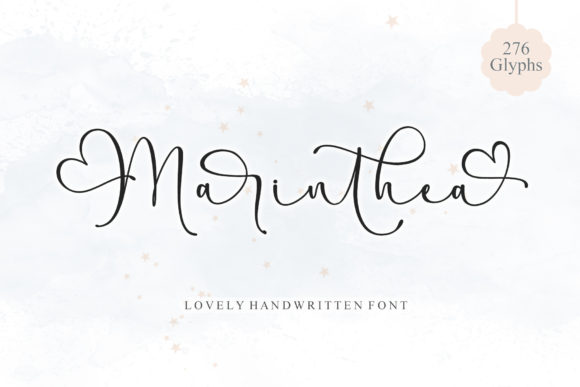
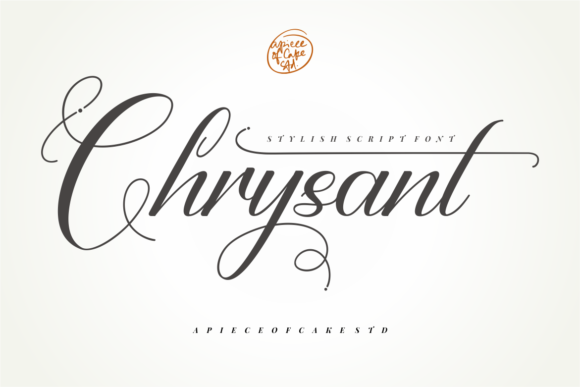
What makes Finchbird stand out in the world of modern typography is its balance between delicacy and presence. The letterforms flow with an organic quality that feels genuinely handwritten, but without the messy imperfections you might find in casual handwritten fonts. Each character connects to the next with intentional grace, creating words that read as cohesive visual units rather than collections of individual letters.
The visual personality of Finchbird sits somewhere between classic calligraphy and contemporary design sensibility. You'll see subtle variations in stroke weight that give the typeface depth and movement, while the overall consistency ensures it remains readable across different sizes and applications. This isn't a font that falls apart when you scale it down for smaller text or lose its charm when blown up for headlines.
Where Finchbird Truly Shines in Creative Projects
Think about the last time you saw a wedding invitation that made you pause and admire its beauty. Or a boutique brand logo that immediately conveyed luxury without feeling pretentious. Chances are, the designer behind those projects understood how to use a premium font like Finchbird effectively.
In logo design, Finchbird works particularly well for businesses that want to communicate elegance, craftsmanship, or personal attention. A florist, wedding planner, high-end bakery, or luxury boutique could use this typeface as the foundation of their brand identity. The font's natural sophistication helps establish credibility before a customer even reads the accompanying text.
Editorial design presents another natural home for this typeface. Magazine headers, book covers, and blog graphics benefit enormously from Finchbird's ability to create visual hierarchy. When you pair it with a clean serif font or modern sans serif font for body text, the contrast creates an engaging reading experience that guides the eye naturally through your content.
Packaging design is where Finchbird really demonstrates its versatility. Product labels for artisanal goods, cosmetic packaging, gourmet food items, and specialty beverages all benefit from a typeface that suggests quality and care. The font's refined character helps products stand out on shelves while communicating the premium nature of what's inside.
Practical Applications Across Digital and Print Media
Social media graphics demand fonts that work well at various sizes and maintain their personality across different platforms. Finchbird handles this challenge gracefully. Whether you're creating Instagram stories, Pinterest pins, or Facebook cover images, the font retains its elegant character while remaining legible on screens of all sizes.
For web design projects, Finchbird serves as an excellent display font choice. Use it for hero sections, call-to-action buttons, or section headers where you want to inject personality without sacrificing functionality. Just remember that script fonts generally work best in limited quantities online—too much script text can become tiring to read on digital screens.
Print applications reveal another dimension of Finchbird's capabilities. Business cards, letterheads, thank-you notes, and promotional materials all benefit from the personal touch this typeface provides. The font's attention to detail becomes even more apparent when printed, as the subtle curves and connections between letters create a tactile quality that digital screens sometimes miss.
Making Smart Decisions About Font Pairings and Usage
Choosing the right font pairing for Finchbird requires understanding what makes it work so well on its own. Since Finchbird brings elegance and personality to any project, you'll want to pair it with something more restrained. A geometric sans serif font creates a modern contrast, while a traditional serif font can reinforce the classic sensibility.
When evaluating whether Finchbird fits your project, consider your audience and message. This typeface resonates most strongly with people who appreciate craftsmanship, beauty, and attention to detail. If your brand speaks to customers who value quality over quantity, Finchbird likely aligns well with your visual communication goals.
Test the font in context before committing to it for large projects. Create mockups of your actual applications—whether that's a website header, product label, or social media template—and evaluate how Finchbird performs at the sizes and in the combinations you'll actually use. Pay special attention to readability, especially if you're using it for longer text passages or at smaller sizes.
Most premium font licenses for typefaces like Finchbird include multiple file formats and sometimes additional styles or alternates. Review what's included with your purchase to ensure you have everything needed for your specific applications. Commercial licensing typically covers most standard uses, but if you're planning something unusual—like embedding the font in software or creating merchandise—it's worth verifying the terms before you begin.
Building Brand Consistency with a Distinctive Typeface
One of the most valuable aspects of choosing a distinctive typeface like Finchbird is the consistency it brings to your brand identity. When you use the same font across all your touchpoints—from your website to your packaging to your social media presence—you create a visual thread that ties everything together. Customers begin to recognize your brand not just by your logo or color palette, but by the typography that represents your voice.
Finchbird's elegant character makes it particularly effective for building recognition in competitive markets. While many brands default to the same handful of popular fonts, choosing something with genuine personality helps you stand out. The key is ensuring that the font's character aligns with your brand values and speaks to your target audience in the way you intend.
Remember that typography is just one element of your overall design strategy. Finchbird works best when it's part of a thoughtful visual system that includes appropriate colors, imagery, and layout principles. Used thoughtfully, this typeface becomes a powerful tool for communicating your brand's unique story and connecting with the people who matter most to your business.