The Swirly, Inviting Warmth of the Cider Script Font
There’s a particular kind of visual warmth that feels like coming home. It’s in the curve of a handwritten note, the swirl of frosting on a cake, or the gentle, flowing script on a favorite café’s chalkboard. This feeling of authentic, handcrafted invitation is exactly what the Cider script font captures so beautifully. It’s more than just a collection of characters; it’s a personality, a vibe, a direct line to creating designs that feel personal and genuinely welcoming. For anyone looking to inject a sense of artisanal charm and approachable elegance into their work, Cider is a superb creative asset to have in your toolkit.
A Font with Personality: Understanding Cider's Visual Soul
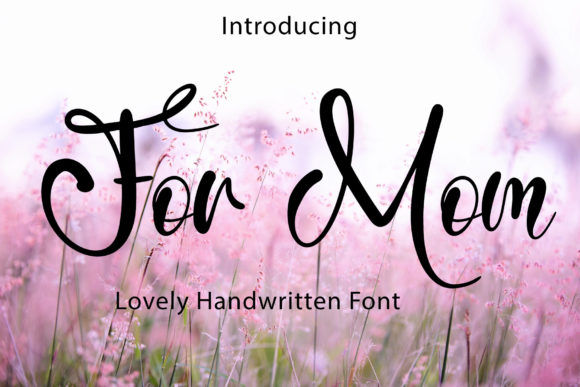
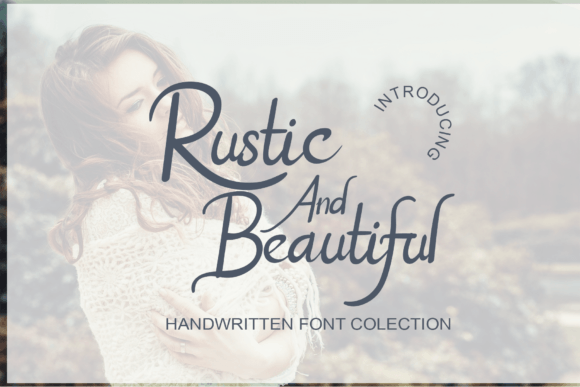
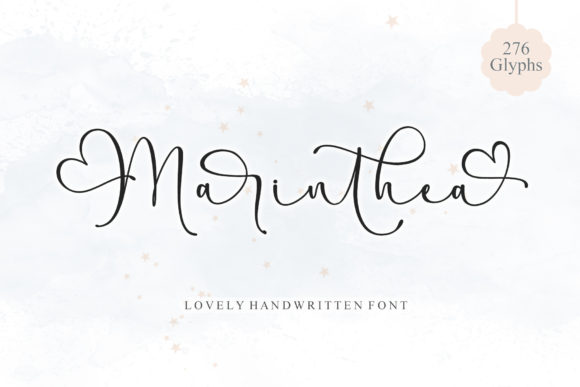
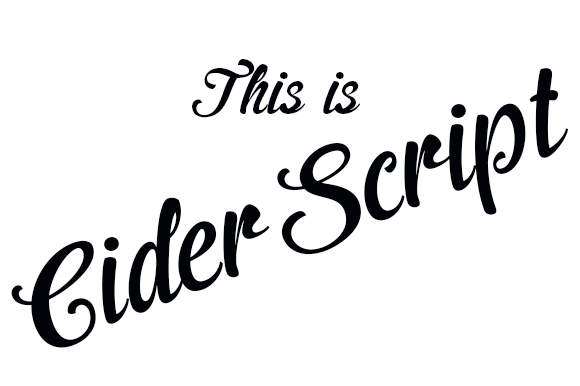
At its core, Cider is a premium script font, but that simple label hardly does it justice. Imagine the fluid motion of a skilled calligrapher’s pen, translated into a digital typeface. The characters are beautifully rounded and swirly, with a consistent, gentle bounce that keeps the text feeling lively and organic. There’s a deliberate softness here; the strokes have a natural, almost felt-tip quality that avoids the sharp, sometimes sterile precision of many digital fonts. This gives it an immediate, human touch.
The letter connections are thoughtfully designed, creating a smooth, flowing rhythm that makes reading it a pleasant experience rather than a deciphering exercise. It’s a modern typography take on classic script styles, balancing decorative flair with enough clarity to be functional. The overall aesthetic is one of relaxed sophistication—perfect for projects that need to feel crafted, authentic, and inviting without sacrificing a polished, professional look. It’s the kind of font that makes a logo design feel instantly more personal or gives a social media graphic a burst of handmade character.
Where Cider Truly Shines: Practical Applications for Creators and Brands
The true value of any design asset lies in how you use it. Cider’s versatile personality makes it a powerful tool across a surprising range of projects. Its strength is in adding a layer of human touch and curated charm.
For Brand Identity and Marketing: This is where Cider excels. Use it for the primary logo or wordmark of a boutique bakery, a local florist, a handmade jewelry line, or a cozy café. It instantly communicates a story of care and craftsmanship. In packaging design, it’s perfect for product names, taglines, or special edition labels, making the item on the shelf feel unique and personal. For digital marketing, think email headers, sale announcements, and website hero sections that need to grab attention with a friendly, human voice. It can transform a standard social media graphic into something that feels like a personal invitation.
For Editorial and Publishing: In editorial design, Cider can create striking pull quotes, chapter titles, or magazine coverlines that draw the reader in. It’s an excellent choice for the title or chapter headings in a cookbook, a lifestyle blog, or a wedding stationery suite. When used thoughtfully, it adds a layer of elegance and personality to layouts that might otherwise feel generic.
For Personal and Digital Projects: Don’t limit this font to commercial work. It’s wonderful for personal projects like creating custom invitations, thank-you cards, or personalized gifts. Digital creators can use it for YouTube thumbnails, podcast cover art, or blog post titles to establish a distinct and memorable visual style. Its friendly demeanor makes it highly engaging for audiences who value authenticity.
Making Cider Work for You: A Practical Guide
Adopting a new typeface into your workflow is about more than just liking how it looks. It’s about ensuring it serves the project’s goals. Here’s how to approach using Cider effectively.
Evaluate the Project’s Voice: First, ask yourself: does this project need to feel personal, warm, and handcrafted? If the answer is yes, Cider is likely a strong candidate. It’s a display font, meaning it’s designed for impact at larger sizes—think headlines, logos, and short phrases. It’s generally not suited for long paragraphs of body copy, where a clean serif or sans serif font would be far more readable. Its role is to be the charismatic lead, not the supporting actor.
Master the Art of Font Pairing: A great script font like Cider reaches its full potential when paired wisely. The goal is balance and contrast. Pair it with a simple, neutral sans serif font for body text, subheadings, or supporting information. Fonts like Lato, Open Sans, or Montserrat provide a clean, modern counterpoint that lets Cider’s personality pop without overwhelming the viewer. For a more classic or elegant feel, a refined serif font like Lora or Playfair Display can create a beautiful hierarchy. Always test your pairings in context—see how they look together on a mock-up of your actual project.
Check the Included Styles and Licensing: A quality premium font often comes with more than just the basic letters. Explore if Cider includes stylistic alternates, ligatures (special character connections), or swashes. These features allow you to customize the look further, adding unique flourishes to specific letters for logos or headlines. Crucially, always verify the commercial licensing. Ensure the license covers your intended use, whether it’s for a client’s logo, merchandise, or a digital product you plan to sell. Respecting the font creator’s work is fundamental.
Test for Readability in Context: While Cider is designed for clarity, always test it at the size and in the environment where it will be used. A swirly script that looks gorgeous on your 27-inch monitor might become a blurry blob on a mobile phone screen or when printed very small. Use it for short, impactful text. If you’re using it for a website, check its rendering on different devices. For print, always print a physical proof to check how the ink interacts with the paper and how the details hold up.
Ultimately, fonts like Cider are about connection. They bridge the gap between a digital product and a human feeling. By understanding its visual personality, applying it to the right kinds of projects, and pairing it thoughtfully with other design elements, you can leverage this beautiful script font to build a stronger, more recognizable, and more engaging brand identity. It’s a tool for telling a more inviting story, one beautifully swirly character at a time.